Tired of Skipping Workouts? How Screen Recording Helped Me Stay Consistent
We’ve all been there—excited to start a new fitness routine, only to lose motivation by week two. I struggled too, until I started using screen recording in a way no one talks about: not to watch others exercise, but to watch myself. It wasn’t about perfect form or fancy apps. It was about showing up, seeing progress, and building a habit that stuck. This simple tech trick changed my relationship with fitness. No complicated gear, no expensive subscriptions—just me, my phone, and a quiet moment to press record. And honestly? It made all the difference.
The Cycle of Starting and Stopping (And Why We All Fall Into It)
Let’s be real—starting a new workout plan feels amazing. You pick out cute activewear, download a few apps, maybe even write down your goals. There’s this spark, this hope that this time, it’ll stick. But then life happens. Your kid wakes up sick. You have a last-minute meeting. The laundry piles up, the dog needs a walk, and suddenly, 8 p.m. rolls around and you’re still in your work-from-home leggings, wondering where the day went. Sound familiar? I’ve been there more times than I can count. That initial excitement fades fast, replaced by guilt, frustration, and the quiet voice that whispers, “Maybe I’m just not the type to stick with it.”
And here’s the thing—this cycle isn’t about laziness or lack of willpower. It’s about how our brains are wired. Motivation is emotional, and emotions change. One day you’re fired up, the next you’re exhausted, and suddenly, exercise feels like just one more thing on a never-ending to-do list. I used to rely on fitness trackers—those little devices that count steps and calories. But after a few weeks, I’d stop wearing mine. Why? Because seeing that I only took 3,000 steps that day didn’t make me feel inspired. It made me feel worse. The numbers became a report card, and I was always failing. Alarms didn’t help either. I’d set one for 7 a.m., hit snooze three times, and by the time I got up, the moment had passed. The problem wasn’t the tools—it was that they didn’t connect with how I actually live my life.
What I needed wasn’t more data or more reminders. I needed proof—real, visible proof—that I was doing something, anything, to take care of myself. Because when you’re juggling work, family, and everything in between, even five minutes of movement is a win. But without seeing it, without acknowledging it, it’s easy to forget it ever happened. That’s where everything changed. Not with a new app or a fancy gadget, but with a feature I already had—screen recording.
A Accidental Discovery: Pressing Record Changed Everything
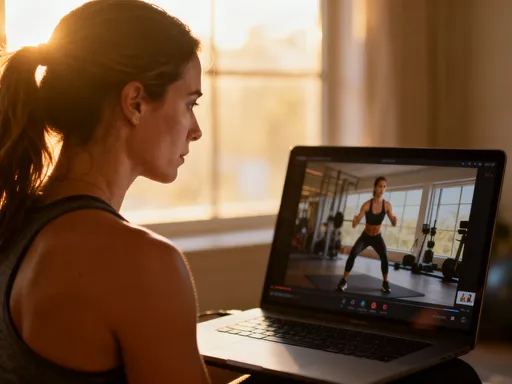
I wasn’t trying to reinvent fitness. I was just trying to fix my form. One evening, after a particularly wobbly set of squats, I thought, “Hmm, do I actually know how I look when I do these?” So, on a whim, I propped my phone against a stack of books, hit record, and did a quick 10-minute routine. I didn’t think much of it—just a little self-check. But later that night, when I watched the clip, something unexpected happened. I didn’t cringe. I didn’t judge my form or my hair or the fact that I was wearing mismatched socks. Instead, I felt a quiet sense of pride. There I was. On screen. Moving. Breathing. Doing the thing.
It wasn’t perfect. My knees probably caved in a little during the lunges. I wasn’t in perfect alignment. But none of that mattered in that moment. What mattered was that the video existed. Unlike all the workouts I’d planned and skipped, this one was real. It was recorded. It was proof that I had shown up, even if only for ten minutes. That tiny clip became something bigger—a quiet reminder that effort counts, even when it’s small. And something shifted in me. I wasn’t waiting for motivation anymore. I was building evidence—little by little—that I was someone who moves, who tries, who cares.
The next week, I did it again. Same setup, same routine. And again, I watched it later. This time, I noticed something: I looked more confident. My movements were smoother. Not because I was doing anything differently, but because I had done it before. That sense of continuity—of seeing myself improve, even slightly—was more powerful than any fitness tracker alert. It wasn’t about comparing myself to someone else. It was about comparing myself to who I was yesterday. And that made all the difference.
Why Watching Yourself Works Better Than Tracking Numbers
Numbers can be helpful, sure. But they’re also abstract. How many of us really know what 250 calories burned means in real life? Or whether 7,000 steps is good or bad? These metrics can feel disconnected from our actual experience. But a video? That’s real. It’s tangible. When you see yourself completing a workout—even a short one—you’re not just measuring effort, you’re witnessing it. And that changes everything.
Psychologists call this “self-observation,” and it’s a powerful tool for behavior change. When we see ourselves doing something, we start to internalize it. It becomes part of our identity. Watching my recordings didn’t just show me that I exercised—it helped me believe that I am someone who exercises. That subtle shift—from “I’m trying to be fit” to “I am fit” (in my own way)—is where real change begins. And unlike apps that focus on performance, screen recording focuses on presence. It doesn’t care how fast you go or how much you lift. It only cares that you showed up.
There’s also something deeply human about seeing your own face, your own body in motion. It builds self-awareness without judgment. I started noticing patterns—when I was more energetic, when I slouched, when I smiled at the end. Those little details taught me more about my body than any chart ever could. And because I wasn’t sharing these videos, I didn’t feel pressure to perform. No filters, no angles, no audience. Just me, being real. That freedom made it easier to keep going, even on days when I didn’t feel like it. Because I wasn’t chasing perfection. I was building consistency. And consistency, as it turns out, is the real secret to lasting change.
How to Use Screen Recording the Right Way (Without the Pressure)
If you’re thinking, “Okay, but how do I actually do this without it feeling like work?”—I hear you. The key is to keep it simple and judgment-free. This isn’t about making content. It’s about creating a personal record of your effort. Start small. Pick a 5- to 10-minute routine—something you can do at home, like stretching, yoga, or a quick strength circuit. Set your phone on a stable surface—a tripod works, but so does a stack of books or a shelf. Make sure you’re in frame, hit record, and just do the workout. That’s it.
Don’t worry about lighting, outfits, or how you look. This isn’t for Instagram. It’s for you. After you finish, save the video in a private folder—maybe call it “My Progress” or “I Showed Up.” Don’t edit it. Don’t share it. Just store it. Then, once a week, take five minutes to watch your clips from the past few days. Not to critique, but to witness. See how you’ve moved, how you’ve breathed, how you’ve shown up. Celebrate the effort, not the execution.
One thing that helped me was setting a rule: no skipping the review. Even if I only recorded one short session that week, I watched it. Because that one session mattered. And over time, I started looking forward to it—like checking in with an old friend. “Hey, there I am again,” I’d think. “Still trying. Still here.” That sense of continuity became its own kind of motivation. And the best part? You don’t need any special skills or equipment. Just a phone and the willingness to press record. It’s low-tech, high-impact, and completely within your control.
Turning One-Off Efforts into a Real Habit
Habits don’t form overnight. They grow from repetition, reflection, and small wins. And screen recording gave me a way to see that growth in real time. After a few weeks, I started noticing patterns. I was more energetic in the mornings. I preferred loose pants over tight leggings—they let me move more freely. I struggled on Wednesdays, probably because it was midweek chaos. These weren’t earth-shattering insights, but they were real. And because I had the videos to back them up, I could plan better. Instead of forcing a 30-minute workout on a tough day, I’d do a 7-minute stretch and record it. And seeing that clip later reminded me: I didn’t do nothing. I did something.
This practice also taught me self-compassion. On days when I felt sluggish or distracted, I didn’t beat myself up. I just watched the video and said, “You still showed up. That counts.” That shift—from self-criticism to self-acknowledgment—was huge. It made the whole process feel kinder, more sustainable. And as the weeks went by, something surprising happened: I started doing more. Not because I pushed harder, but because I felt more capable. The videos proved it. I could see my posture improving, my breathing steadier, my confidence growing. It wasn’t about becoming someone else. It was about becoming more of myself—someone who values movement, who honors her effort, who doesn’t give up.
And here’s the thing about habits—they spread. Once I saw how powerful this was for fitness, I started using it in other areas. I recorded short meditation sessions. I filmed myself practicing guitar chords. I even saved clips of quiet moments—drinking tea, journaling, folding laundry—just to remind myself that presence matters. The tool stayed the same, but the purpose grew. It wasn’t just about exercise anymore. It was about building a life where small efforts are seen, valued, and remembered.
Beyond Fitness: A New Way to See Your Progress in Life
Life moves fast. Days blur together. It’s easy to feel like you’re not doing enough, not growing, not changing. But growth isn’t always loud. Sometimes, it’s quiet. It’s in the way you pause before reacting. It’s in the extra minute you take to breathe. It’s in the small choices you make, again and again, to show up for yourself. And screen recording became a way to capture those moments—not for anyone else, but for me.
I started using it to track other personal goals. When I was learning to play the piano, I’d record a short practice session. Watching it later, I could hear the difference—not just in the music, but in my patience. I wasn’t rushing. I was present. When I began a mindfulness challenge, I filmed two-minute breathing exercises. Over time, I noticed my shoulders dropped lower, my face relaxed more. These weren’t huge leaps, but they were real. And seeing them on screen made them undeniable.
This practice also helped me celebrate non-physical progress. One day, I recorded myself having a calm conversation with my teenager—something that used to end in frustration. Watching it later, I saw the way I listened, the way I stayed calm. That clip became a touchstone. It reminded me: I’m growing in more ways than one. And that’s the magic of this simple tool. It doesn’t just show you what you’ve done. It shows you who you’re becoming. It turns invisible effort into visible proof. And in a world that often measures success by big wins, it reminds us that small, consistent actions are where real transformation happens.
It’s Not About Perfection—It’s About Showing Up
At the end of the day, none of us are perfect. We have busy days, tired days, days when we just don’t feel like it. But showing up—even in a small way—matters. And screen recording taught me how to honor that. It didn’t turn me into a fitness influencer. It didn’t give me a six-pack. But it gave me something better: confidence. Not the loud, flashy kind, but the quiet kind that comes from knowing you keep your promises to yourself.
Every time I press record, I’m saying, “I matter. My effort matters. My progress, however small, is worth seeing.” And when I watch those clips, I’m not looking for perfection. I’m looking for presence. For breath. For movement. For the quiet courage it takes to try again. This isn’t about comparing yourself to anyone else. It’s about building a relationship with yourself—one where you’re both the participant and the witness.
So if you’ve ever felt like you’re not doing enough, if you’ve started and stopped and started again, I want you to know: you’re not alone. And you don’t need a complicated plan or a perfect routine. You just need to press record. Let the camera see you—not as you wish you were, but as you are. Because that’s where change begins. In the real, the messy, the imperfect. In the simple act of showing up, again and again, and saying, “I’m here. I’m trying. And that’s enough.” That’s the power of seeing yourself. And it might just be the most important tech tool you already own.