After Tracking My Phone Use for 3 Holidays, This Trick Finally Gave Me Back My Evenings
You know that feeling—coming home from a holiday gathering, tired but still scrolling? I did it for years: endless swipes through social media, half-watching videos while missing real conversations. Last winter, I realized I’d spent more time staring at my phone than with my family. Sound familiar? It wasn’t just guilt—it was exhaustion. My eyes were heavy, my heart felt distant, and I kept asking myself, Why can’t I just be present? I love these moments—family laughter, warm meals, kids running around with sticky hands—but somehow, my phone always pulled me away. After three holidays of tracking my screen time, noticing patterns, and trying (and failing) different fixes, I finally found something that worked. Not a drastic digital detox. Not deleting every app. Just one small, kind habit that quietly changed everything.
The Holiday Trap: When Joy Turns Into Digital Drift
Let’s be honest—holidays are beautiful, but they’re also overwhelming. There’s cooking, cleaning, travel, and the emotional weight of being around family. You walk into a room full of love and noise, and yet, within minutes, you’re leaning against the kitchen counter, phone in hand, scrolling through something that doesn’t even matter. I’ve done it at Thanksgiving, Christmas, even my niece’s birthday party. I remember one year, I stood in the hallway of my cousin’s house, watching my mom teach the kids how to make dumplings. It was sweet, chaotic, full of life—and I was filming it… then immediately checking a text. By the time I looked up, the moment had passed.
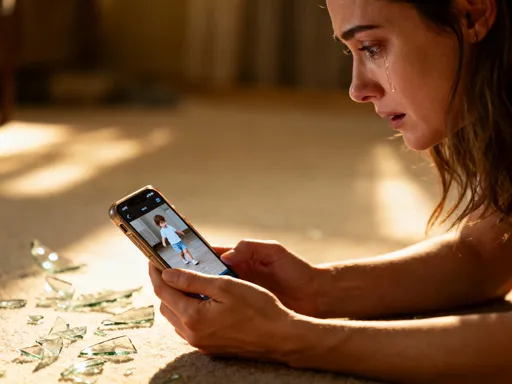
That’s the trap. It’s not that we don’t care. It’s that our phones have become reflexes. A notification buzzes, and we reach. Silence feels uncomfortable, so we fill it with content. We tell ourselves we’re just checking something quick, but 20 minutes later, we’re deep in a thread about a restaurant someone visited two years ago. The cost isn’t just time—it’s presence. We miss the way your dad laughs when he tells that old story. We don’t catch the look on your daughter’s face when she finally gets the puzzle right. We’re there, but we’re not there.
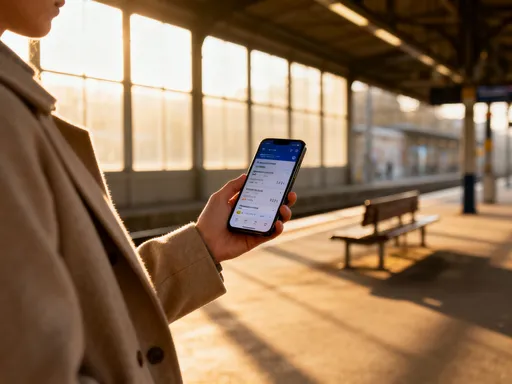
And here’s what no one talks about: it’s exhausting. Constantly switching between real life and digital noise drains us. It’s like trying to listen to two conversations at once—your brain never gets a break. I started noticing how tired I felt after holidays, not from the cooking or the travel, but from the mental clutter. The guilt, the distraction, the feeling of having missed something important. That’s when I decided to track my phone use—not to shame myself, but to understand. For three holidays, I used a simple screen time tracker and made notes. What I found wasn’t surprising, but it was sobering: I was spending an average of two and a half hours a day on my phone during holiday visits. And most of it was mindless scrolling.
Why Holidays Make Us Weakest Against Our Phones
If you’ve ever felt like your phone habits get worse during the holidays, it’s not your imagination. There are real reasons why we reach for our devices more when we’re surrounded by people we love. First, holidays disrupt routine. Your normal rhythm—wake up, make coffee, check email, head to work—gets thrown off. Without structure, our brains look for familiar anchors. And for many of us, that anchor is the phone. It’s the first thing we touch in the morning, the last thing at night, and the go-to when we’re unsure what to do.
Then there’s the emotional layer. Family gatherings can be joyful, but they can also bring up old tensions, awkward silences, or social anxiety. Maybe you’re around relatives who ask about your job or your relationship status. Maybe you’re grieving someone who’s no longer at the table. The phone becomes a safe space—a way to escape discomfort without being rude. I’ll never forget sitting at a holiday dinner, feeling overwhelmed by a conversation about politics (which I wanted to avoid), and suddenly remembering I had to “check something” for work. It wasn’t true. I just needed an out.
And let’s talk about dopamine. Every time we get a like, a comment, or a new message, our brain gets a tiny reward. That’s why scrolling feels satisfying, even when it’s not meaningful. During holidays, when emotions run high and we’re more vulnerable, that feedback loop gets stronger. We’re not just bored—we’re seeking comfort, validation, distraction. The phone delivers it instantly. It’s not that we’re weak. It’s that we’re human, and our devices are designed to exploit that. The real issue isn’t lack of willpower. It’s that the environment is working against us.
I Tried Everything—And Most Failed Miserably
Once I saw the numbers, I was determined to change. My first attempt? Turning off all notifications. I thought, No pings, no problem. But by the second day, I was checking my phone even more—out of curiosity. What was I missing? Was someone trying to reach me? I felt more anxious, not less. Then I tried screen time limits. I set a strict 30-minute cap on social media. It worked for a few hours—until my nephew asked me to show him a video of a dog riding a skateboard. One tap, and I was back in the app, scrolling past my limit.
I even attempted a full “no phone” weekend. I told my family, packed my phone in a drawer, and promised myself I’d read, walk, and connect. By Saturday afternoon, I was restless. I told myself I’d just check the weather. Then I saw an email from my sister. Then a news alert. Within 20 minutes, I was deep in a rabbit hole about holiday travel delays—on a weekend I wasn’t even traveling. I felt defeated. And worse, I felt guilty. Why couldn’t I stick to something so simple?
That’s when I realized: willpower isn’t the answer. Not long-term. Our brains aren’t wired to resist temptation through sheer force. It’s like trying to hold your breath underwater—you can do it for a while, but eventually, you’ll gasp for air. The problem wasn’t me. It was the approach. I was trying to fix a habit with discipline, when what I really needed was a better system. I started reading about behavioral psychology and learned something powerful: small environmental changes often work better than big promises. Instead of relying on motivation, what if I made it easier to do the right thing—and harder to do the wrong one? That shift in thinking changed everything.
The One Habit That Changed My Holiday Mornings
The first real breakthrough came when I stopped focusing on willpower and started designing my environment. I introduced a simple rule: no phone for the first 30 minutes after waking. That’s it. Not forever. Not all day. Just half an hour. I didn’t even charge my phone in my bedroom anymore. I started leaving it in the kitchen overnight. In the morning, I’d make tea, wrap myself in a blanket, and sit by the window. Sometimes I journaled. Sometimes I just watched the birds outside. One snowy morning, I took the dog for a short walk. No music, no podcast—just silence and fresh air.
At first, it felt strange. My hand kept reaching for my pocket, expecting the phone. But within a few days, something shifted. I noticed I wasn’t as frantic to check messages. I felt calmer, more grounded. That small buffer of quiet gave me space to decide how I wanted to start the day—not react to whatever popped up first. I began to look forward to those 30 minutes. They became mine. No demands, no distractions, just me.
The ripple effect surprised me. Because I started the day with intention, I carried that calm into the rest of the holiday. When I did pick up my phone, it was on my terms. I could scroll for five minutes and put it down, instead of falling into a two-hour daze. I wasn’t perfect—some mornings I broke the rule. But consistency mattered more than perfection. Over time, my brain learned: mornings don’t have to be chaotic. I could choose presence over autopilot. And that tiny habit built confidence. If I could do this one thing, maybe I could do more.
How I Protected Evenings Without Saying ‘No’ to Anyone
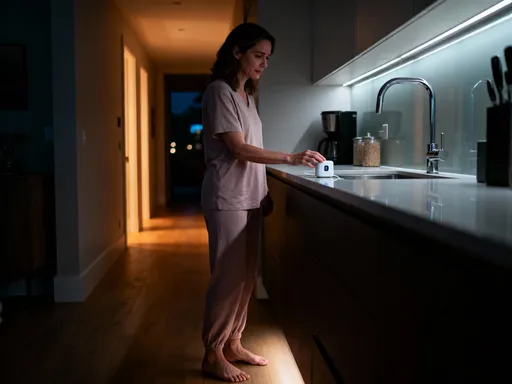
Mornings were easier. Evenings were harder. That’s when the family was together, the food was out, and the pressure to be “on” was highest. I wanted to connect, but I also wanted to escape. So I created a new ritual: the Phone Pocket. It’s exactly what it sounds like. During dinner and the first hour after, all phones went into a basket on the kitchen counter. Not hidden. Not shamed. Just gently set aside.
I didn’t announce it like a rule. I made it playful. “Let’s see who can last the longest without their phone,” I said to my niece and nephew. “Winner gets to pick the movie tonight.” They loved it. My sister laughed and joined in. Even my dad, who usually checks the news after dinner, put his phone in the basket. At first, there were moments of silence. We weren’t used to just… being together without screens. But then something beautiful happened. My niece started telling a story about school. My nephew pulled out an old board game. We played for an hour, laughing, teasing, actually listening.
The science behind this is simple: physical distance reduces temptation. When your phone is across the room, you’re less likely to reach for it. And when everyone’s doing it, it doesn’t feel like a punishment—it feels like a shared choice. We weren’t cutting off the world. We were creating space for each other. That hour became something we all looked forward to. No pressure, no guilt, just connection. And the best part? No one felt left out. No one had to say, “Can you put that down?” because we’d already agreed—this time is for us.
The App That Quietly Kept Me on Track
Now, I know what you might be thinking: Wait, you’re using an app to reduce screen time? Isn’t that ironic? Maybe. But the right tool, used the right way, can actually help. I started using a simple focus app—one that doesn’t lock your phone or shame you for usage. Instead, it gently encourages you to stay present. I chose one with a visual element: when you start a focus session, a little tree begins to grow. If you leave the app, the tree dies. Sounds simple, right? But it worked.
I didn’t use it to block myself for hours. I used it in small, meaningful moments. While wrapping gifts, I’d set a 25-minute session. While writing holiday cards, another. The timer gave me permission to focus without guilt. And the growing tree? It gave me a tiny sense of pride. Not because I was “good,” but because I was trying. It wasn’t about punishment. It was about awareness. The app didn’t replace my habits—it supported them. It was like having a quiet friend on my shoulder saying, You’ve got this.
What made it different from other tools was that it didn’t rely on restriction. It didn’t tell me I was bad for using my phone. It just helped me notice when I was drifting. And over time, that awareness became a habit. I’d see the tree and think, I want to see it grow. That small emotional connection made all the difference. Technology wasn’t the enemy. It was the ally—when used with intention.
From One Holiday to the Next: How Small Wins Built a Calmer Life
A year after I started this journey, I went back to my cousin’s house. Same house. Same chaos. Kids running, music playing, food burning in the kitchen. But this time, something was different. I felt calmer. More present. When I walked in, I didn’t reach for my phone. I left it in my coat pocket. And when my mom started telling that same old story—the one about the Christmas tree that caught fire—I didn’t film it. I just listened. I watched her face. I laughed at the right moments. I was there.
That night, during dinner, the Phone Pocket came out. My nephew groaned, then smiled. “I’m going for the record tonight,” he said. We all laughed. And for that hour, we talked, we played, we connected. No one reached for their phone. Not once. It wasn’t perfect—later, I checked a message, scrolled a little. But the difference was clear. I was in control, not the other way around.
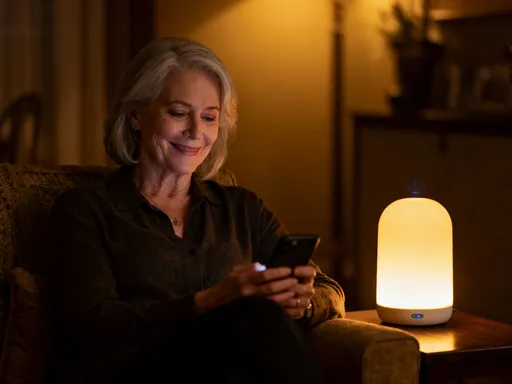
Looking back, I realize these changes didn’t just improve my holidays. They improved my life. I sleep better. I’m more patient with my kids. I feel less drained at the end of the day. The goal was never to eliminate technology. It was to make it serve me, not the other way around. I still use my phone. I still text, scroll, and watch videos. But now, I do it with awareness. With choice. With peace.
If you’re reading this and thinking, I could never do that, I get it. I felt the same way. But you don’t have to change everything at once. Start with one morning. Try the first 30 minutes without your phone. Or create a Phone Pocket for one dinner. See how it feels. It’s not about perfection. It’s about progress. It’s about giving yourself the gift of presence—because you deserve to be here, in your life, for the moments that matter. And trust me, they’re happening right now.