More Than Food Matching: How My Friends Helped Me Eat Better Without Trying
Ever feel overwhelmed trying to eat healthier? You’re not alone. I used to stress over every meal—until I started sharing nutrition apps with close friends. What changed wasn’t just the technology, but who I used it with. Turns out, having real conversations, swapping tips, and seeing what works for people I trust made all the difference. It turned confusing food charts into simple, everyday choices—effortlessly. I didn’t need another diet plan or a stricter tracker. I needed connection. And that’s exactly what happened when I stopped treating healthy eating like a solo mission and started seeing it as something we could grow into—together.
The Overwhelm of Eating "Right"
Let’s be honest—eating well these days can feel like walking through a maze blindfolded. One day, coffee is healthy. The next, it’s going to age you five years. Carbs are the enemy, then suddenly they’re back in favor. I remember standing in the grocery store last winter, holding a bag of frozen quinoa, staring at my phone while three different nutrition blogs argued about whether it was a superfood or just expensive filler. I wasn’t just confused—I was tired. And I wasn’t alone. So many of us are caught in this cycle of starting strong with a new eating plan, only to burn out by week three because it feels too strict, too lonely, or just plain unrealistic.
What made it worse was how isolated the whole process felt. I’d download an app, log my meals, hit my protein goal, and still go to bed feeling like I’d failed. Why? Because no app could tell me how to handle my niece’s birthday cake without guilt, or how to eat well on a budget when my grocery bill kept creeping up. The tools were there, but something essential was missing: real human understanding. I needed someone who knew that I hate mushrooms, that I get hangry if I skip lunch, and that my idea of meal prep is throwing leftovers into a container and calling it a week. What I didn’t realize yet was that the answer wasn’t in a more advanced algorithm—it was in my phone contacts.
Looking back, I think part of the problem was how we’ve been sold the idea of health. It’s often framed as a personal responsibility—something you do alone, in silence, with willpower as your only weapon. But life isn’t lived in isolation. We celebrate together, we grieve together, we raise families together. So why should eating well be any different? I began to wonder if maybe the missing ingredient in all those apps wasn’t data—it was trust. Not the kind of trust in a brand or a celebrity doctor, but the quiet, steady kind you have with someone who’s seen you cry over spilled soup and still handed you a spoon.
Discovering Nutrition Apps—And Their Limits
When I first downloaded my first nutrition-matching app, I thought I’d finally cracked the code. I was so excited—scan a barcode, and boom, instant nutrition info. It could suggest meals based on my goals, track my water intake, even remind me to eat more fiber. I spent a whole Sunday afternoon logging my pantry like I was preparing for a science fair. I felt in control. For about three days.
Then reality set in. Logging meals became a chore. I’d stand in the kitchen, phone in one hand, spoon in the other, trying to remember if I’d already logged the olive oil I used. Did that tablespoon count? What about the splash of almond milk in my tea? The app didn’t care that I was tired or that dinner was late. It just wanted data. And the more I gave it, the less I enjoyed eating. I started avoiding recipes that were hard to log, even if I loved them. I skipped social dinners because I didn’t want to deal with the mental math of estimating restaurant portions. Healthy eating was supposed to make me feel better—but instead, it made me feel like I was constantly being watched and judged by a tiny robot in my pocket.
And here’s the thing: the app was technically brilliant. It could break down macronutrients, flag added sugars, and suggest alternatives with impressive precision. But it couldn’t answer the question that really mattered: What should I actually eat today? Not in theory. Not in a lab. But in real life, with my schedule, my cravings, my family’s picky eaters, and my tired brain after a long day. It gave me data, but not direction. It told me that kale was nutrient-dense, but it didn’t know I’d rather eat cardboard. It suggested salmon twice a week, but didn’t factor in my budget or the fact that my husband gags at the smell of fish cooking. The app wasn’t wrong—it was just incomplete. It was like having a GPS that only shows the map but doesn’t know your car has a flat tire.
The Turning Point: Sharing My App With a Close Friend
The shift happened over lunch with my friend Maria. We met at a little café near her office, the kind of place with mismatched chairs and giant mugs. I was complaining—again—about how hard it was to stick to my “healthy eating plan.” She listened, then said, “Show me that app you’re always talking about.” So I pulled it up and showed her how it had suggested a spinach and banana smoothie for breakfast based on my iron levels. She raised an eyebrow. “You drink that every morning? No coffee?” I admitted I did. “And you like it?” she asked. I paused. “Not really,” I said. “But it’s ‘optimal.’” Maria laughed. “Optimal for who?”
Then she did something simple but revolutionary—she tried the app herself. She scanned her avocado toast, and the app suggested adding a boiled egg for protein. She nodded. “Actually, I do that sometimes. My mom always said it keeps her full till lunch.” Later that week, she texted me: “Tried your smoothie, added peanut butter and a dash of cinnamon. Way better. Also, I drank my coffee after. No guilt.” That message sparked something in me. It wasn’t just about the tweak—it was about the tone. There was no judgment, no pressure. Just curiosity and care.
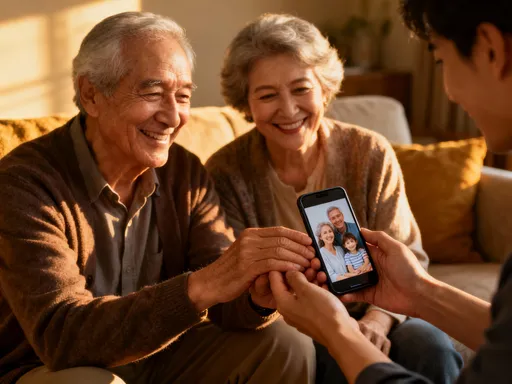
For the first time, healthy eating didn’t feel like a test I was failing. It felt like a conversation. We started sharing screenshots—not to compare or compete, but to explore. “Look, the app says this granola is high in sugar, but it’s the only one my kids will eat.” “I swapped the almond milk for oat—tastes creamier and cheaper.” These weren’t perfect solutions, but they were real. And that made all the difference. The app was still the same, but now it had context. It had stories. It had Maria’s laugh when she admitted she lied about drinking water just to make the app happy. Sharing it turned a solitary tool into a shared journey.
From Data to Trust: Why Friend Input Beats Algorithms Alone
Here’s what I’ve learned: algorithms are great at telling you what is in food. But friends are better at telling you what works. My sister knows I hate kale. She also knows I love roasted sweet potatoes. So when the app suggested a kale salad for dinner, she said, “Swap it for roasted squash. Same nutrients, zero resentment.” That one tip changed everything. I ate the squash. I enjoyed it. I didn’t feel like I was “settling.” I felt like I was adapting—wisely.
My coworker Lisa, who’s been managing type 2 diabetes for years, taught me how to read labels in a whole new way. “Don’t just look at sugar,” she said. “Look at the order of ingredients. If sugar’s in the top three, walk away.” That simple rule saved me so much time and stress. And when I found a frozen veggie burger the app approved but tasted like cardboard, she laughed and said, “I know! Try the store brand with the green package. It’s half the price and actually tastes like food.” That kind of knowledge doesn’t come from data—it comes from lived experience.
What makes these small tweaks so powerful is that they come from people who care about me—not just my health metrics, but my happiness, my time, my budget. The app might suggest a $15 salad kit, but Maria knows I’d rather spend that on my daughter’s art supplies. So she shares her $3 version with canned beans and frozen corn. The app doesn’t care if I’m too tired to cook, but my sister texts me a photo of her “lazy dinner”—a microwaved sweet potato with canned chili—and says, “Still counts.” That’s the kind of support that keeps you going when motivation runs low. It’s not about perfection. It’s about permission—to adapt, to simplify, to be human.
Building a Small, Supportive Circle Around Healthy Eating
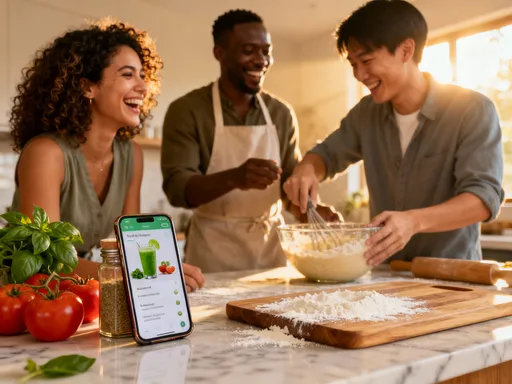
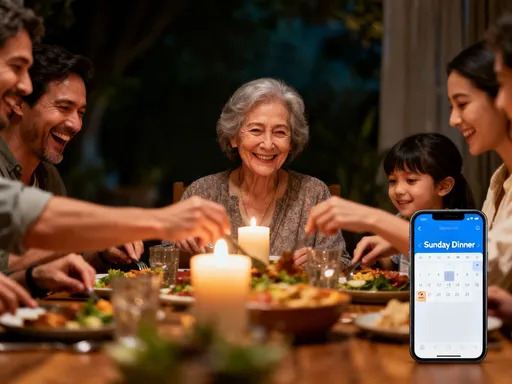
We didn’t plan it, but a little circle formed. First it was just Maria and me. Then I invited my sister and Lisa. We started a simple group chat—no rules, no pressure. Every Sunday, someone would share one meal idea from the app, plus their real-life version. Maria posted her “better smoothie” recipe. I shared my roasted squash swap. Lisa sent a photo of her go-to grain bowl with leftover chicken and frozen stir-fry veggies. My sister sent a pic of her kids’ lunchboxes with hidden zucchini muffins.
What surprised me was how much we looked forward to these updates. It wasn’t about policing each other. It was about celebrating small wins and laughing at the fails. When I accidentally logged a whole bag of popcorn as one serving, they didn’t scold me—they sent a GIF of a squirrel with giant cheeks. When Lisa’s blood sugar dipped during a meeting and she ate three cookies from the office jar, she confessed in the chat. Instead of judgment, she got: “Glad you’re safe!” and “Next time, keep a banana in your desk.”
The app became our common language, but the connection was what kept us going. We weren’t just tracking food—we were sharing life. And that made consistency feel natural, not forced. I didn’t stick to my goals because I was disciplined. I stuck because I didn’t want to let my friends down. I wanted to show up, share, and be part of the circle. That sense of belonging turned healthy eating from a chore into a shared value. It wasn’t about looking a certain way or hitting a number on the scale. It was about feeling good, together.
How This Changed More Than Just My Diet
The most unexpected part? This little food-sharing habit improved more than just what was on my plate. Our check-ins became a form of emotional support. We started talking about more than meals. Maria shared that she’d been feeling overwhelmed at work. Lisa mentioned her dad’s health scare. My sister admitted she was lonely since the kids started school full-time. We listened. We offered small comforts—a recipe, a reminder to rest, a virtual hug.
Cooking became creative again. I started experimenting, not because the app said so, but because I wanted to share something new with the group. I tried making energy balls with dates and oats—my first batch was a disaster, too crumbly to hold. I sent a photo with the caption “My kids say these look like dog treats.” The next day, Lisa replied with her trick: “Add a spoon of nut butter. Trust me.” They turned out amazing. And the joy wasn’t just in the result—it was in the sharing, the back-and-forth, the feeling of being part of something.
Even grocery shopping changed. I used to dread it—the noise, the choices, the guilt of buying something “unhealthy.” Now, I go with a list of things my friends recommended. I look for the green-packaged veggie burgers. I grab the frozen corn Lisa loves. I pick up cinnamon because Maria swears by it in smoothies. It’s not just shopping—it’s a way of carrying our connection into the everyday. And when I see something new, I snap a photo and send it to the group: “Should I try this?” Their replies—“Yes!” “Only if you share!” “Skip it, I tasted it”—make me feel supported, even when I’m standing alone in aisle seven.
Making It Work for You: Starting Simple With People You Trust
You don’t need a big group or perfect habits to start. In fact, trying to do too much too soon can backfire. I’ve learned that real change grows from small, consistent steps—especially when they’re shared. The key isn’t the app. It’s the relationship. So start simple. Think of one person in your life who genuinely wants you to feel your best—not because they’re pushing a diet, but because they care about you. It could be a sister, a neighbor, a longtime friend, a coworker you chat with at lunch.
Next time you’re talking, bring up food—not as a problem to fix, but as something to explore together. Say something like, “I found this app that suggests meals based on your goals. Want to try it with me? No pressure—just for fun.” Share one meal idea. Ask for their take. You might be surprised how open people are when the goal isn’t perfection, but connection. And if they try it and add their own twist? Even better. That’s where the magic happens—in the real-life adaptations, the shared laughs, the “I never thought of that” moments.
Use the app as a conversation starter, not a rulebook. Let go of the idea that you have to do it “right.” If you forget to log a snack, laugh it off. If your friend suggests a swap that sounds weird, try it anyway—then tell them how it went. The point isn’t to follow every suggestion perfectly. It’s to build a habit of caring—for your body, your time, your well-being, and the people who support you. When technology serves connection instead of replacing it, that’s when it becomes truly powerful.
Healthy eating doesn’t have to be a lonely journey. It doesn’t have to be rigid or joyless. It can be flexible, fun, and full of real talk. It can be a way to deepen relationships, not just improve nutrition. I didn’t change my diet by downloading the perfect app. I changed it by sharing that app with people I trust. And in the process, I didn’t just learn how to eat better—I learned how to live better. Because when we grow together, even the smallest changes can feel like a victory. And that’s a recipe worth sharing.