Saved 47 Minutes Every Morning: How My Smart Lock Changed Our Family’s Routine
Getting out the door used to be chaos—keys lost, kids waiting, time slipping. I’d check the door three times before finally leaving. Then we installed a smart lock. No more fumbling. No more delays. Just smooth, secure exits. What used to take 47 minutes now takes half the time. This isn’t about gadgets—it’s about gaining back moments that matter. And honestly? It changed how we start our days—and our lives.
The Morning Madness: Life Before Smart Access
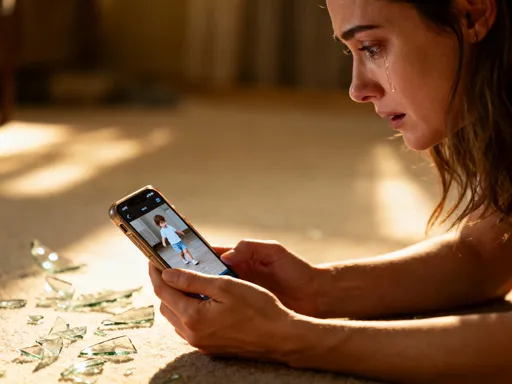
Let’s be real—mornings in our house used to feel like a race against time, with everyone losing. I’d wake up already behind, coffee brewing while I shouted, “Who took the keys?” over the sound of backpack zippers and running water. My oldest would be by the door, shoes on, lunch in hand, asking, “Mom, are we late?” And me, barefoot and frazzled, digging through the junk drawer, the purse, the kitchen counter—anywhere the keys might have landed the night before.
And it wasn’t just me. My husband would leave early, forgetting to lock up, which meant I’d get a text an hour later: “Did you lock the door?” Then the mental checklist would start. Did I? I thought I did. But now I wasn’t sure. That tiny doubt meant turning the car around, driving back, checking the knob—only to lose another 15 minutes. By the time we got the kids to school, I was already exhausted, and it wasn’t even 9 a.m.
Then there were the guests. My sister once arrived early for a weekend visit, standing outside for 20 minutes because I was at the grocery store. I felt awful. I couldn’t get home fast enough, and she was just… stuck. We joked about it later, but it wasn’t funny in the moment. It made me realize how much control we were giving to a tiny piece of metal. One lost key, one forgotten lock, one missed connection—and our whole rhythm fell apart.
The worst part? It wasn’t dramatic. No one was hurt. No crisis. Just a thousand tiny frustrations that wore us down. That constant low-grade stress—the checking, the searching, the rushing—was stealing more than time. It was stealing peace. And I didn’t even know how much until we finally found a better way.
Discovering a Simpler Way: Why We Tried Smart Access Control
The truth is, we didn’t set out to go high-tech. I’m not the type to buy gadgets just because they’re new. If it doesn’t solve a real problem, I’m not interested. But after the third time I had to call my husband to let our cleaning lady in because I was stuck in traffic, I started wondering—there has to be a better way.
A friend mentioned her smart lock like it was no big deal. “I just tap my phone and the door unlocks,” she said, as if that were completely normal. I laughed at first. That sounds like something from a movie. But then she showed me—no exaggeration, no tech talk—just her walking up, phone in hand, and the door clicked open. No fumbling. No keys. Just… access.
I went home and Googled it, of course. And honestly? I was nervous. Is it safe? What if the battery dies? What if someone hacks it? I read reviews, watched videos, even asked a neighbor who works in IT. The more I learned, the more I realized most of my fears were based on myths. Modern smart locks are built with security as the top priority. They’re tested, encrypted, and designed to fail safely. And the convenience? It wasn’t just about looking cool—it was about solving the exact problems we were facing.
So we took the leap. Not because we wanted to be “smart home people,” but because we were tired. Tired of the chaos. Tired of the stress. Tired of wasting time on something as simple as a door. We wanted to feel in control again. And what I didn’t expect? That one small change could make us feel more like a family—and less like roommates surviving the same schedule.
How It Works—Without the Tech Jargon
Okay, let’s clear the air: you don’t need to be a computer genius to use a smart lock. I promise. When I first unboxed ours, I expected a complicated setup with wires and apps and codes that made no sense. But it was surprisingly simple. The lock looks just like a regular deadbolt—sleek, solid, nothing flashy. The difference? It connects to our home Wi-Fi and pairs with an app on our phones.
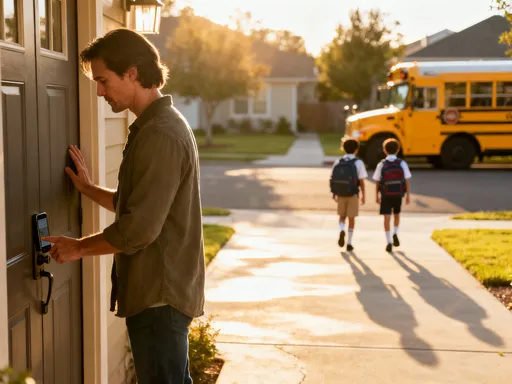
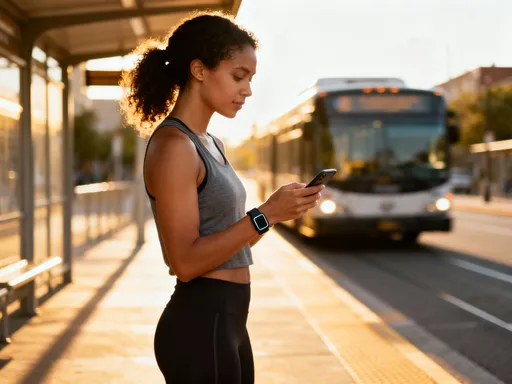
Think of it like this: your phone becomes your key. It’s always with you, right? So now, instead of digging for metal keys, I just walk up to the door. If I want, I can unlock it with a tap in the app. Or I can use a PIN code on the keypad—great for the kids when they come home from school. There’s even an option for automatic unlocking when my phone is nearby, though I don’t use that one much. I like knowing I’m making a conscious choice to unlock the door.
Setting it up took about 20 minutes. We followed the instructions, installed the lock on our existing door, connected it to the app, and tested it a few times. That was it. No electrician. No special tools. My husband did it while I made dinner. And the best part? Everyone in the family can have their own access. My daughter has her own four-digit code. My mom, who watches the kids sometimes, has a temporary one that I can turn off anytime.
And speaking of guests—remember my sister who got locked out? Now, if she’s coming early, I just send her a one-time code that works only between 10 and 12. She walks up, types it in, and the door opens. No key hiding. No rushing home. No stress. It’s like giving someone a digital key that disappears after use. I’ve used it for dog walkers, repair people, even my best friend when she needed to grab a package. It’s not magic—but it feels close.
The First Big Win: Mornings Transformed
The very first morning after we installed the smart lock, something amazing happened: we left the house calmly. No shouting. No last-minute searches. No double-checking the door. I finished my coffee. I actually sat down and ate breakfast with the kids. And when it was time to go, I tapped the app, the door unlocked, and we walked out. That’s it.
I started tracking our morning routine—not obsessively, just out of curiosity. Before the smart lock, our average “get out the door” time was 47 minutes. That included waking the kids, breakfast, packing lunches, finding shoes, locating keys, checking the door three times, and finally pulling out of the driveway. After the smart lock? 23 minutes. Twenty-three. That’s 24 minutes a day we got back. Over a week, that’s nearly three hours. Over a year? More than 12 full days.
And what did we do with that time? We didn’t fill it with more tasks. We used it to breathe. To talk. To laugh over spilled cereal instead of yelling about it. My daughter started reading at the table instead of rushing. My son stopped asking, “Are we late?” every five minutes. And I—well, I finally started my day with a full cup of coffee, not a cold one I gulped in the car.
But it wasn’t just about time. It was about energy. Without the morning scramble, I wasn’t drained by 8:30 a.m. I felt present. I felt like myself. And that changed everything. Because when the mom isn’t stressed, the whole house feels lighter. It’s like removing one small rock from a backpack—you don’t notice how heavy it was until it’s gone.
Beyond the Door: Ripple Effects on Family Life
Here’s what I didn’t expect: the smart lock didn’t just fix our mornings. It changed the whole tone of our home. Less rushing meant fewer arguments. Fewer arguments meant more connection. We started having real conversations at dinner because no one was still mad about the morning. We even started a “no phones at the table” rule—and actually kept it, because we weren’t too tired to talk.
School drop-offs became peaceful. No more speeding, no more apologies to the teacher for being late. My kids walked in on time, calm, ready to learn. And the school noticed. The principal even commented, “You all seem so much more relaxed lately.” I smiled and said, “We finally found a better way to start the day.” I didn’t mention the lock. But really, that little change made all the difference.
Then there were the little wins. The plumber came on a Tuesday, and I gave him a code that only worked from 9 to 11. I didn’t have to rearrange my workday or ask a neighbor to let him in. The dog walker started coming at 3 p.m., and I could see a notification when she arrived and left. I knew the house was secure, and I didn’t have to worry.
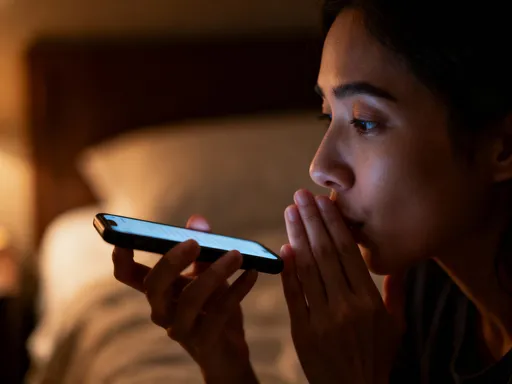
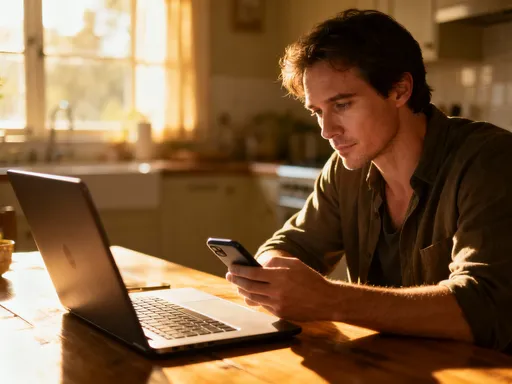
Even bedtime changed. I no longer lay in bed wondering, “Did I lock the door?” I could open the app, check the status, and see that it was locked—secure, solid. And if I forgot? I could lock it with a tap. No getting up. No anxiety. Just peace of mind. That small act—knowing I could check and secure my home from bed—gave me more rest than I’d had in years.
Security That Feels Effortless
I know what you’re thinking: isn’t it less safe than a key? That’s what I thought too. But the truth is, smart locks can actually be more secure. Think about it—how many times have you lost a key? Or left a spare under the mat? Or given a key to someone you later regretted trusting? With a smart lock, none of that happens.
Every time someone enters, I get a notification. It says, “Front door unlocked by PIN code 1234.” I know who came in and when. If I ever give a code to a house cleaner and decide not to use her again, I can delete that code instantly. No rekeying the locks. No expense. Just gone.
And there’s no risk of someone copying your key. No hiding spares in obvious places. No worrying that a guest lost their copy. Everything is digital, controlled, and traceable. The lock also has built-in tamper alerts—if someone tries to force it, I get a warning. And if the battery runs low? I get a heads-up in the app long before it dies. We’ve had ours for over a year, and the batteries still aren’t dead. But even if they were, there’s a backup—use the app or a physical key if absolutely necessary.
Security isn’t about fear. It’s about confidence. And now, I walk out the door knowing my home is protected—not because I checked three times, but because the system is designed to help me stay in control. That’s not just convenient. It’s comforting.
A Smarter Home That Serves You—Not the Other Way Around
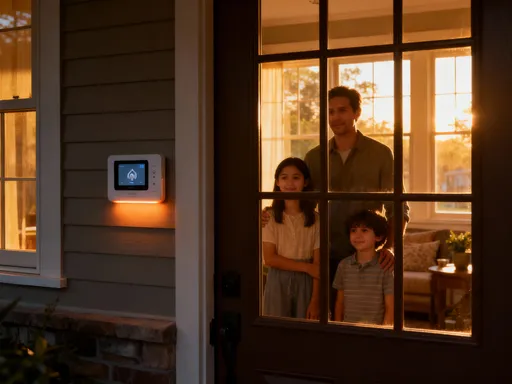
This isn’t about having the fanciest gadgets or showing off a high-tech home. It’s about using technology to make life easier, calmer, and more human. The smart lock didn’t replace us—it supported us. It didn’t add complexity; it removed friction. And in doing so, it gave us back something priceless: time. Presence. Peace.
I used to think smart home tech was for people with too much money or too much time. But now I see it differently. It’s for anyone who’s tired of wasting energy on small problems. It’s for parents who want to start the day with a smile, not a scream. It’s for families who want to feel connected, not just coexisting.
So I’ll ask you: what’s your version of the front door? What small, daily frustration is stealing your time and peace? Maybe it’s remembering to turn off the oven. Maybe it’s coordinating schedules. Maybe it’s something as simple as losing your keys. Whatever it is, there might be a smarter way. Not a perfect way. Not a flashy way. But a simpler way.
Because life is busy enough. We don’t need more stress. We need more ease. More moments that matter. And sometimes, all it takes is one small change to open the door to a better rhythm—one that lets you breathe, connect, and truly live. That’s what happened for us. And honestly? I wish we’d done it sooner.