Tired of Choosing the Same Dull Tasks Every Day? This App Finally Made Decisions Easy
Ever felt stuck staring at your to-do list, unsure what to tackle first? You’re not alone. I used to waste mornings second-guessing priorities, until I found a task app that didn’t just organize my tasks—it guided my choices. It didn’t shout with flashy features, but quietly learned my habits, highlighted what truly mattered, and helped me say “yes” to progress without the mental clutter. That shift didn’t just save time—it brought real peace. For the first time, I wasn’t fighting my own brain just to get through the day. Instead, I had a gentle ally that made each decision feel lighter, clearer, and more intentional.
The Daily Dilemma: Why Choosing Tasks Feels So Hard
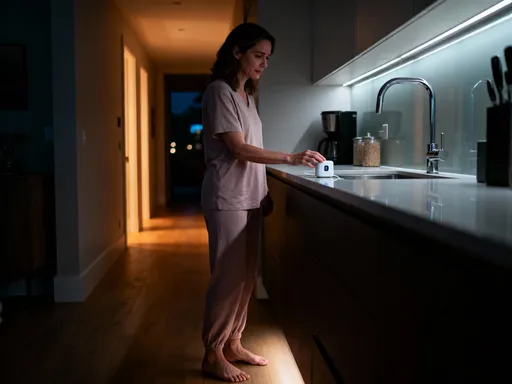
Let’s be honest—most of us don’t struggle because we have too much to do. We struggle because we don’t know where to start. Every morning, I’d stand in my kitchen with a coffee in one hand and my phone in the other, scrolling through a list of tasks that all seemed equally urgent and equally unappealing. Should I answer that email? Fold the laundry? Start dinner prep? Call the school? The truth is, none of these tasks were impossible. But the weight of choosing—which one to do, when, and why—left me drained before I’d even begun.
This isn’t laziness. It’s decision fatigue, and it hits quietly but powerfully. Every choice we make, no matter how small, uses a bit of mental energy. By the time evening rolls around, we’ve made hundreds of decisions—from what to wear to how to respond to a text—and our brains are running on empty. When you’re already tired, even simple choices feel heavy. That’s why so many of us end up scrolling on our phones or watching TV instead of tackling what matters. We’re not avoiding work; we’re avoiding the effort of deciding.
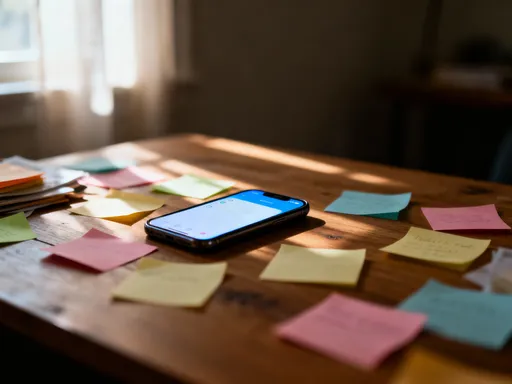
And here’s the irony: we have more tools than ever to help us stay organized. We’ve tried planners, calendars, sticky notes, color-coded lists. But most of them just add more noise. They list what needs to be done, but they don’t tell us what to do *now*. They don’t say, “Hey, this is the one thing that will make the biggest difference today.” Without that guidance, we’re left guessing—and guessing is exhausting. The problem isn’t that we lack productivity tools. The problem is that we lack support in making meaningful choices.
How a Simple App Became My Decision Partner
Then, one rainy Tuesday, I stumbled on an app that changed everything. I wasn’t looking for a miracle—I just wanted something that wouldn’t make me think so hard. What I found wasn’t flashy or packed with bells and whistles. In fact, it felt almost too simple at first. No complicated dashboards, no endless settings. Just a clean list, a few gentle prompts, and a quiet intelligence that seemed to understand me.
The first thing that surprised me? It didn’t ask me to rank my tasks by priority. Instead, it watched how I worked. It noticed that I usually checked my email first thing, that I avoided big projects before 10 a.m., and that I often forgot to schedule calls until the last minute. After just a few days, it started making suggestions—tiny nudges like, “Try this one next—it’s quick and will clear space in your inbox,” or “You’ve been putting off that report. How about 15 minutes now?”
At first, I was skeptical. I’ve tried apps before that promised to “read my mind,” and they usually just added more pressure. But this one felt different. It wasn’t pushing me to do more. It was helping me do what mattered, in a way that felt natural. One morning, instead of staring at my list, I opened the app and saw a single task highlighted: “Call the dentist—your reminder said today at 10.” I hadn’t even remembered the appointment, but the app had. That small win—saving me from forgetting something important—made me trust it a little more.
Slowly, something shifted. I stopped asking, “What should I do?” and started asking, “What’s next?” That subtle change made all the difference. I wasn’t making decisions in a vacuum anymore. I had a partner—a quiet, thoughtful guide that helped me move forward without the mental tug-of-war.
Design That Understands Your Life, Not Just Your List
What makes this app different isn’t what it does—it’s how it thinks. Most task apps treat your to-do list like a grocery list: items to check off, one by one. But life isn’t that linear. We don’t work the same way every day. Some mornings we’re sharp and focused. Others, we’re dragging from lack of sleep or overwhelmed by last night’s drama. A good app should know that. And this one does.
It doesn’t force me into rigid categories like “Work,” “Home,” or “Personal.” Instead, it learns my rhythms. It knows I’m more likely to tackle creative tasks in the late morning and that I often forget to water the plants on weekends. It adjusts. If I’ve been putting off a task for days, it doesn’t scold me. It gently resurfaces it with a note like, “Still important? Let’s try a smaller step.”
The interface is calm—no red badges, no aggressive reminders. Just soft colors, clear text, and a layout that feels open, not crowded. When I open it, I don’t feel judged. I feel supported. One feature I love is the “Focus Mode,” which hides everything except the one task it thinks I should do right now. No distractions. No second-guessing. Just one clear path forward. It’s like having a friend sit beside me and say, “You’ve got this. Just start here.”
And here’s the thing—it doesn’t try to be everything. It doesn’t integrate with every other app or track my steps or analyze my sleep. It stays focused on one job: helping me make better decisions about my time. Because sometimes, the most powerful technology isn’t the one that does the most. It’s the one that does the right thing, at the right time, without making a fuss.
From Overwhelm to Clarity: A Typical Day Transformed
Let me walk you through a recent Wednesday—the kind of day that used to leave me frazzled, but now feels smooth and even satisfying. I wake up, make coffee, and grab my phone. Instead of scrolling through emails or social media, I open the app. Right away, it shows me a small task: “Reply to Sarah’s message—she’s waiting on the recipe.” It takes two minutes. Done. That little win gives me momentum.
By 9:30, I’m at my desk. The app suggests, “Start the newsletter draft—your focus peaks around now.” I hesitate—writing always feels daunting—but I trust the nudge. I set a timer for 25 minutes and dive in. Before I know it, I’ve written half the draft. Later, when I’m tempted to check social media, the app quietly reminds me, “You wanted to finish this today. Keep going?” Not pushy. Just present.
At lunch, I see a suggestion: “Call Mom? You haven’t spoken in a few days.” I almost skip it—lunch is my downtime—but I remember how good I felt the last time I called. I dial. We talk for 20 minutes. She tells me about her garden. I feel connected, not guilty.
In the afternoon, the app surfaces a task I’ve been avoiding: “Review the budget.” It breaks it into two parts: “Look at last month’s spending” and “Set one savings goal.” I do the first part now, save the second for tomorrow. No pressure. Just progress.
By evening, instead of collapsing on the couch, I feel a quiet sense of accomplishment. The app ends the day with a simple prompt: “What went well today?” I jot down three things—small, but meaningful. Then it asks, “What would make tomorrow better?” I think for a moment and add “Pack lunches the night before.” No drama. No guilt. Just a gentle hand on my back, guiding me forward.
The Quiet Power of Consistency Over Perfection
One of the biggest lessons this app has taught me? Progress isn’t about big leaps. It’s about small, steady choices. I used to think I needed a dramatic overhaul—wake up at 5 a.m., meditate, journal, exercise, and crush my to-do list by noon. But that never lasted. I’d burn out by Wednesday and feel like a failure.
This app doesn’t care about perfection. It cares about showing up. It celebrates the tiny wins—the email sent, the call made, the five minutes spent planning. Over time, I started to see patterns. I noticed I always overcommitted on Mondays. I saw how skipping lunch led to afternoon crashes. The app didn’t shame me. It just reflected my behavior back with kindness.
Now, instead of trying to do everything at once, I focus on one small improvement at a time. Maybe this week, it’s about starting work ten minutes earlier. Next week, it’s about saying no to one extra task. The app supports that pace. It doesn’t push me to do more. It helps me do what I said I’d do—consistently, gently, without drama.
And here’s the magic: those small choices add up. In two months, I’ve written three articles, organized the kids’ school paperwork, and even started a small garden. Not because I suddenly became superhuman. Because I stopped fighting myself and started moving forward, one small step at a time. The app didn’t change my life overnight. But it gave me the space to grow at my own pace.
Why Solo Users Need Smart Support, Not Just Tools
If you’re like me—managing a home, a career, maybe kids, maybe aging parents—you’re used to doing things on your own. Independence is a strength. But it doesn’t mean you have to go it alone. Even the most capable people need support. The difference is, that support doesn’t always come from another person. Sometimes, it comes from a well-designed tool that feels like it’s on your side.
That’s what this app became for me: a silent partner. Not someone who tells me what to do, but someone who helps me remember what matters. When I’m tired and tempted to give up, it gently brings me back. When I’m overwhelmed, it helps me find the next step. It’s not a replacement for human connection. But it fills a gap—especially on the days when no one else sees what I’m juggling.
I remember one afternoon when everything felt like too much. The kids were吵闹, dinner wasn’t started, and I had a deadline. I sat at the table, head in my hands, wondering how I’d get it all done. I opened the app. It showed me one task: “Breathe. Then try the rice—it’s quick.” I laughed. But I did it. I started dinner. One small action broke the paralysis.
That moment taught me something important: smart support isn’t about doing the work for you. It’s about giving you the clarity to do it yourself. And for solo users—those of us who carry so much—clarity is a gift.
Making It Your Own: Simple Tweaks for Lasting Results
The best part? You don’t have to use this app exactly as it comes. In fact, the real power comes from making it fit your life. Here are a few tweaks that helped me get more out of it:
First, I started naming tasks with intention. Instead of “Call bank,” I write “Call bank to fix the error—this will save $30.” That small change makes the task feel more meaningful. I’m not just checking a box—I’m solving a problem.
Second, I use the reflection prompts. At the end of the day, I take two minutes to answer: “What went well?” and “What would help tomorrow?” It’s not journaling. It’s just a quick pause to reset. Over time, those reflections have helped me spot patterns—like how much better I feel when I move my body, even for ten minutes.
Third, I adjust the timing based on my energy. The app learns, but I also teach it. If I know I’m a night owl, I schedule creative tasks later. If mornings are tough, I start with quick wins. It’s not about forcing myself into someone else’s rhythm. It’s about working with my own.
And finally, I don’t stress about missing a task. The app doesn’t punish me. It just moves it forward with a kind note: “Not today? Try tomorrow.” That grace makes all the difference. It turns the app from a taskmaster into a true partner.
More Than Tasks—A Lighter, Smarter Way to Live
Looking back, I realize this app didn’t just change how I manage my to-do list. It changed how I think about my time, my energy, and my choices. It didn’t make me busier. It made me calmer. More focused. More in tune with what truly matters.
In a world that constantly demands more—more productivity, more hustle, more output—this little app offers something radical: peace. It doesn’t shout. It doesn’t pressure. It simply helps me move forward with confidence, one small decision at a time.
And that, more than anything, has been the gift. Not more done. But more ease. Not perfection. But presence. Technology, at its best, shouldn’t complicate our lives. It should help us live them more fully. This app does that. It’s not magic. It’s not flashy. But for me, it’s been life-changing.
If you’re tired of staring at your list, unsure where to start, I hope you’ll give something like this a try. Not because you need to do more, but because you deserve to move through your day with less weight on your shoulders. You don’t have to figure it all out alone. Sometimes, the right tool can feel like a friend—one that helps you trust yourself, one gentle nudge at a time.