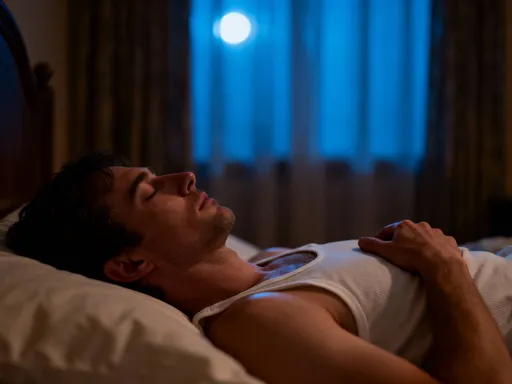
Why Your Recovery Depends on Sleep Science (And How to Fix It)
Sleep isn’t just downtime—it’s when your body repairs, resets, and rebuilds. For anyone in rehabilitation, from injury recovery to mental wellness, adequate sleep acts like a silent therapist working overnight. Skimp on it, and progress stalls. Backed by neuroscience and clinical studies, we now know that sleep quality directly influences healing speed, pain tolerance, and cognitive restoration. This article breaks down how sleep fuels recovery and what actually works—no hype, just science. It’s time to treat sleep not as an afterthought, but as a central pillar of rehabilitation. When healing is the goal, every hour of rest counts.
The Hidden Crisis in Rehabilitation: Sleep Is Often Overlooked
In rehabilitation programs across hospitals and outpatient clinics, professionals prioritize physical therapy, nutrition plans, and medication management. Yet, one critical factor frequently slips through the cracks: sleep. Despite overwhelming evidence, sleep remains under-prioritized in recovery protocols. Studies estimate that up to 50% of individuals undergoing post-injury or post-surgical rehabilitation experience chronic sleep disturbances. These are not mere inconveniences—they are biological roadblocks to healing. When sleep is fragmented or insufficient, the body’s ability to repair tissues, regulate inflammation, and restore cognitive function is significantly impaired. The consequences are measurable: slower recovery times, increased pain sensitivity, and higher rates of complications.
Consider the analogy of charging a smartphone with a damaged cable. You might eventually get some power, but the process is inefficient, unstable, and prone to interruptions. Similarly, trying to heal without prioritizing sleep is like attempting to rebuild a house with inconsistent supplies. The foundation is weak, and progress is unreliable. Research from the National Institutes of Health shows that patients with disrupted sleep after orthopedic surgery take, on average, 25% longer to regain mobility than those with consistent, restorative sleep. In neurological rehabilitation, such as after stroke or brain injury, poor sleep correlates with delayed cognitive recovery and reduced responsiveness to therapy.
Why is this issue so widespread? One reason is the misconception that sleep will naturally improve as physical symptoms subside. However, pain, anxiety, medication side effects, and changes in daily routine often create persistent sleep disruptions that do not resolve on their own. Another barrier is the lack of standardized sleep assessments in clinical rehab settings. Unlike vital signs such as blood pressure or heart rate, sleep quality is rarely monitored, even though it plays an equally critical role in recovery. Until healthcare providers begin to treat sleep as a measurable, modifiable factor in rehabilitation, many patients will continue to face avoidable delays in their healing journey.
How Sleep Actually Drives Healing: The Biological Truth
Far from being a passive state of rest, sleep is a dynamic period of intense biological activity. During deep non-rapid eye movement (NREM) sleep, particularly stages 3 and 4, the body releases growth hormone in pulses, stimulating tissue repair, muscle regeneration, and bone rebuilding. This is when cells divide more rapidly, damaged proteins are cleared, and the immune system strengthens its defenses. For someone recovering from surgery, an injury, or even emotional trauma, this nightly regeneration is essential. Without sufficient deep sleep, the body cannot complete these repair cycles, leading to prolonged inflammation and weakened recovery outcomes.
Meanwhile, rapid eye movement (REM) sleep plays a crucial role in cognitive and emotional recovery. During REM, the brain consolidates memories, processes emotional experiences, and strengthens neural connections formed during waking hours. Functional MRI studies have demonstrated increased activity in brain regions associated with learning and emotional regulation after high-quality sleep. Patients undergoing cognitive rehabilitation, such as those recovering from traumatic brain injury or mental health challenges, show greater improvement when their sleep architecture includes adequate REM cycles. Disrupting REM sleep—common in hospital settings due to noise, light, or medication—can impair emotional resilience and slow mental recovery.
One of the most compelling findings in recent neuroscience is the link between sleep and neuroplasticity—the brain’s ability to reorganize and form new neural pathways. A 2022 study published in Nature Neuroscience found that individuals who maintained consistent, high-quality sleep after a stroke exhibited significantly greater neural reorganization in motor and language areas than those with poor sleep. This suggests that sleep doesn’t just support recovery—it actively enables the brain to rewire itself. In essence, therapy sessions during the day lay the groundwork, but it is during sleep that the brain integrates and solidifies those gains.
Understanding sleep as an active recovery phase shifts the paradigm. It is not simply a break between treatments, but a therapeutic window where the body and brain work together to heal. When patients and caregivers recognize this, they can begin to protect and optimize sleep with the same intentionality applied to other aspects of rehabilitation.
The Science-Backed Connection Between Sleep and Pain Management
Pain and sleep share a complex, bidirectional relationship. On one hand, physical discomfort—whether from injury, surgery, or chronic conditions—can make it difficult to fall asleep or stay asleep. On the other, insufficient sleep lowers the body’s pain threshold, making even mild discomfort feel more intense. This creates a self-perpetuating cycle: pain disrupts sleep, and poor sleep amplifies pain. Breaking this cycle is essential for effective rehabilitation, and improving sleep quality is one of the most powerful, non-pharmacological tools available.
Clinical trials have consistently demonstrated the pain-reducing effects of better sleep. A 2021 randomized controlled trial published in the Journal of Pain found that patients with chronic lower back pain who improved their sleep quality through behavioral interventions reported up to 30% lower pain intensity, even without changes in medication. These patients also showed greater engagement in physical therapy and faster functional improvement. The mechanism behind this effect lies in the central nervous system: sleep deprivation increases activity in pain-processing regions of the brain while decreasing activity in areas responsible for pain inhibition. In other words, when you’re sleep-deprived, your brain becomes more sensitive to pain signals.
Inflammation is another key factor linking sleep and pain. Poor sleep elevates levels of pro-inflammatory cytokines such as interleukin-6 (IL-6) and C-reactive protein (CRP), both of which are associated with increased pain sensitivity and delayed tissue healing. A study from the University of California, Berkeley, showed that just one night of restricted sleep (four hours or less) led to a measurable spike in IL-6 levels among healthy adults. For patients in recovery, who may already have elevated inflammation due to injury or surgery, chronic sleep disruption can prolong the inflammatory response and hinder healing.
The implications for pain management are clear: optimizing sleep can reduce reliance on analgesics, including opioids, and improve overall therapy outcomes. Instead of viewing sleep as a consequence of pain control, it should be treated as a core component of it. Integrating sleep-focused strategies into pain management plans—such as cognitive behavioral therapy for insomnia (CBT-I), relaxation techniques, and sleep hygiene education—can lead to more sustainable, long-term relief.
Common Sleep Disruptors During Rehabilitation (And Why They’re Ignored)
Even with the best intentions, many patients in rehabilitation face significant barriers to restful sleep. Some of these are obvious, such as pain or discomfort from an injury, while others are subtle but equally disruptive. Medications commonly prescribed during recovery—such as corticosteroids, beta-blockers, or certain antidepressants—can interfere with sleep onset or reduce sleep quality. Diuretics may increase nighttime bathroom trips, fragmenting sleep cycles and preventing deep, restorative stages. Hospital environments, with their constant noise, bright lights, and frequent checks, are notoriously sleep-unfriendly, often leading to what researchers call “hospital insomnia.”
Psychological factors also play a major role. Anxiety about recovery progress, fear of re-injury, or concerns about returning to daily responsibilities can keep the mind active at night, making it difficult to relax. This heightened arousal can delay sleep onset and increase nighttime awakenings. For patients recovering from trauma or surgery, nightmares or hypervigilance may further disrupt sleep. These issues are not signs of weakness—they are normal responses to stress, but they require targeted strategies to manage.
One reason these disruptors are often overlooked is that they are seen as inevitable side effects of illness or treatment. However, research shows that most sleep disturbances during rehabilitation are treatable. For example, adjusting medication timing—such as taking diuretics earlier in the day—can reduce nighttime disruptions. Creating a sleep-conducive environment, even in a hospital room, with earplugs, eye masks, or white noise machines, can improve sleep continuity. Addressing anxiety through mindfulness, breathing exercises, or counseling can reduce nighttime rumination and promote relaxation.
Another overlooked factor is the loss of routine. Hospitalization or reduced mobility often disrupts daily rhythms, including meal times, physical activity, and exposure to natural light. These changes can throw off the circadian clock, making it harder to fall asleep at night and wake up refreshed in the morning. Re-establishing structure—even in small ways, like setting a consistent wake time or scheduling short walks in daylight—can help reset the body’s internal clock and improve sleep quality.
Rebuilding Sleep: A Step-by-Step, Non-Drug Approach
Improving sleep during rehabilitation does not require medication or expensive treatments. Instead, a structured, evidence-based approach to sleep hygiene can yield significant results. Sleep hygiene refers to a set of practices and environmental adjustments that promote consistent, restful sleep. While some tips may seem like common sense—such as avoiding caffeine or keeping a regular schedule—their impact is supported by decades of clinical research. When applied systematically, these strategies can restore healthy sleep patterns and accelerate recovery.
One of the most effective steps is managing light exposure. Natural daylight, especially in the morning, helps regulate the circadian rhythm by suppressing melatonin and signaling wakefulness. Patients are encouraged to spend at least 20–30 minutes in daylight each morning, even if it’s just sitting by a window. In the evening, reducing exposure to blue light from screens—phones, tablets, TVs—is crucial. Blue light delays melatonin release, making it harder to fall asleep. Using screen filters or switching to warm lighting in the evening can support the body’s natural wind-down process.
Temperature also plays a key role. The body’s core temperature naturally drops during sleep, and a cool bedroom—ideally between 60–67°F (15–19°C)—supports this process. Overheating can lead to restlessness and fragmented sleep. Patients with limited mobility may benefit from lightweight bedding and breathable fabrics to maintain thermal comfort. Additionally, establishing a pre-sleep routine—such as reading, gentle stretching, or listening to calming music—signals the brain that it’s time to transition into rest mode.
Perhaps the most powerful yet underused strategy is maintaining a consistent wake time. While many focus on bedtime, research shows that wake time is a stronger regulator of the circadian rhythm. Waking up at the same time every day, even on weekends, helps stabilize the sleep-wake cycle and improves sleep efficiency over time. For patients with insomnia, sleep restriction therapy—conducted under professional supervision—can be highly effective. This involves limiting time in bed to match actual sleep duration, gradually increasing it as sleep consolidates. Though initially challenging, this method strengthens the association between bed and sleep, reducing nighttime awakenings.
When to Seek Professional Help: Integrating Sleep Specialists in Rehab Care
While many sleep issues can be addressed through lifestyle changes, some require professional intervention. Persistent insomnia—defined as difficulty falling or staying asleep at least three nights a week for a month—should not be ignored. Other red flags include loud snoring, gasping for air during sleep, excessive daytime fatigue, or restless legs that worsen at night. These symptoms may indicate underlying sleep disorders such as obstructive sleep apnea or restless legs syndrome, both of which are treatable but often go undiagnosed in rehabilitation settings.
Sleep apnea, in particular, is a serious condition that can sabotage recovery. It causes repeated breathing interruptions during sleep, leading to oxygen drops, fragmented sleep, and increased cardiovascular strain. Patients with sleep apnea often report unrefreshing sleep despite spending enough time in bed. Left untreated, it is associated with higher risks of heart disease, stroke, and cognitive decline. For those in rehabilitation, especially after cardiac or neurological events, undiagnosed sleep apnea can significantly impair progress. Diagnosis typically involves a sleep study, either in a lab (polysomnography) or at home using portable monitoring devices. Continuous positive airway pressure (CPAP) therapy, when prescribed, can dramatically improve sleep quality and daytime function.
The integration of sleep specialists into multidisciplinary rehab teams is a growing but still underutilized practice. Sleep medicine physicians, respiratory therapists, and behavioral sleep experts can provide targeted assessments and treatments that general practitioners may not offer. Routine screening for sleep disorders—just as we screen for nutrition, mobility, or mental health—should become standard in all rehabilitation programs. Early identification and treatment of sleep issues can prevent complications, reduce hospital stays, and improve long-term outcomes.
Patients should feel empowered to discuss sleep concerns with their healthcare providers. Questions such as “Could my medication be affecting my sleep?” or “Should I be evaluated for a sleep disorder?” are valid and important. Treating sleep disorders is not a luxury—it is a necessary part of healing. When sleep is restored, so too is the body’s capacity to recover.
The Bigger Picture: Sleep as a Lifelong Recovery Skill
Rehabilitation does not end when a patient leaves therapy. True recovery is measured by long-term resilience, functional independence, and quality of life. In this context, sleep is not just a temporary support during healing—it is a lifelong skill that contributes to sustained health. Patients who develop strong sleep habits during rehabilitation are more likely to maintain them afterward, leading to lower relapse rates, better mood regulation, and improved physical performance. Studies show that individuals with consistent, high-quality sleep have a 40% lower risk of chronic pain recurrence and are more successful in managing long-term conditions such as diabetes, heart disease, and depression.
Moreover, good sleep enhances emotional resilience. The ability to cope with stress, adapt to change, and maintain motivation—all critical for long-term recovery—is deeply influenced by rest. When sleep is prioritized, patients report greater confidence in their ability to manage daily challenges and fewer feelings of overwhelm. This psychological strength is not incidental; it is a direct result of the brain’s nightly maintenance work. By framing sleep as a core component of self-care, patients can carry this understanding beyond rehabilitation and into everyday life.
Healthcare providers also have a responsibility to make sleep a routine part of care. Just as blood pressure or mobility is assessed at every visit, sleep quality should be monitored throughout the recovery journey. Simple screening tools, such as the Pittsburgh Sleep Quality Index (PSQI), can help identify issues early. Education about sleep should be integrated into patient handouts, therapy sessions, and discharge planning. When sleep is treated with the same seriousness as diet or exercise, patients are more likely to take it seriously too.
The final message is this: sleep is not a luxury. It is a biological necessity—one of the most powerful tools we have for healing, restoring, and protecting our health. In rehabilitation, every decision matters. Let sleep be one of them.