From Overwhelmed to in Control: How Health Apps Quietly Transformed My Daily Routine
Life used to feel like an endless to-do list—missing workouts, forgetting water goals, sleeping poorly, and never quite knowing how to start. I wasn’t sick, but I wasn’t thriving either. Then I tried something small: a health tracking app. Not for perfection, but for progress. Within weeks, tiny changes stuck. I slept better, moved more, and actually *felt* more present. It wasn’t magic—it was consistency, guided by gentle reminders and real-time feedback. This is how technology quietly became my daily ally.
The Breaking Point: When “Fine” Wasn’t Enough
There was a time when I thought I was doing okay. I ate salads sometimes, walked the dog, and told myself I was “active enough.” But the truth was hiding in plain sight: I was tired. Not just sleepy, but deeply drained. I’d wake up after eight hours of sleep feeling like I hadn’t rested at all. My mood swung like a pendulum—happy one minute, irritable the next. By mid-afternoon, I’d reach for coffee or chocolate, not because I was hungry, but because I needed a boost just to keep going. And on weekends, instead of feeling refreshed, I spent them recovering from the week.
One morning stands out. I hit snooze three times, skipped breakfast because I was running late, and by 10 a.m., I was already slumped at my desk, staring at the same email. That’s when it hit me: being “fine” wasn’t living. It wasn’t even close. I didn’t want a dramatic transformation—no 30-day juice cleanse or punishing gym routine. What I wanted was to feel like myself again. To have energy that lasted. To stop feeling like I was barely keeping up. I didn’t know where to start, but I knew I couldn’t keep going like this.
That evening, I downloaded a health tracking app. Not because I believed it would change everything, but because I was tired of guessing. I wasn’t looking for perfection. I just wanted to understand what was really going on. And that small decision—to simply start tracking—was the first real step toward taking back control of my days.
Starting Small: Why Tiny Data Points Matter More Than Big Goals
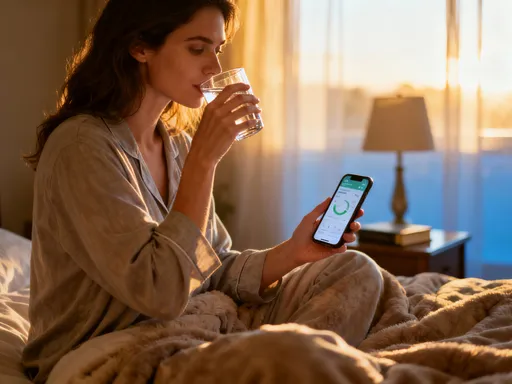
When I first opened the app, I almost gave up. So many options—steps, water, sleep, mood, meals, workouts. It felt overwhelming. I almost closed it, thinking, “This is for fitness fanatics, not someone like me.” But then I took a breath and decided to start with just one thing: water. Every morning, I’d drink a glass as soon as I got out of bed and log it. That was it. No 2-liter goal, no fancy reminders—just one glass, one tap in the app.
And something surprising happened. That one tiny habit created a ripple. Because I saw the green checkmark every day, I started to feel like I was actually doing something right. It wasn’t about the water—it was about the consistency. That small win made me curious. What if I tried tracking sleep? So I started logging when I went to bed and when I woke up. No judgment, no pressure—just data.
Within a week, I noticed a pattern: on nights when I scrolled through my phone in bed, I took longer to fall asleep and woke up groggy. On nights when I read a book instead, I drifted off faster and felt more rested. That wasn’t magic—it was information. The app didn’t tell me what to do, but it showed me what was *actually* happening. And that clarity was powerful. I realized I didn’t need a big overhaul. I just needed to see my life more clearly. Those tiny data points weren’t about numbers—they were about awareness. And awareness is where change begins.
Building the Habit Loop: How Apps Turn Actions into Automatic Routines
Habits don’t form because we will them into existence. They form because we repeat them—again and again—until they feel automatic. At first, logging my water or steps felt like extra work. It was one more thing on my list. But the app made it easier by creating a gentle rhythm. A soft chime in the evening reminded me to log my mood. A little celebration popped up when I hit 7,000 steps. It wasn’t pushy or loud—it felt like a quiet cheer from a friend who believed in me.
Over time, something shifted. I didn’t need the reminder to drink water anymore—I just did it. I started stretching in the morning without thinking. I took the stairs instead of the elevator because it felt good to see my step count climb. The app wasn’t making me do these things. It was helping me build a routine that felt natural, not forced.
One of the most powerful features was the bedtime reminder. At first, I ignored it. But after a few weeks, I started to notice how much better I felt when I actually went to bed on time. So I began winding down earlier—turning off the TV, putting my phone in another room, and reading instead. The app didn’t force me. It just made it easier to see the connection between my choices and how I felt the next day. That’s the beauty of these tools: they don’t replace discipline. They support it. They turn effort into habit, and habit into a lifestyle that feels light, not heavy.
Beyond the Body: Emotional Clarity Through Daily Tracking
I’ll admit, I was skeptical about tracking my mood. “How can rating my day from 1 to 5 change anything?” I thought. But I gave it a try—just a quick tap each evening before bed. I rated my energy, my stress, my overall feeling. At first, it felt silly. But after a few weeks, I started to see patterns that surprised me.
Every Wednesday afternoon, my stress level spiked. I didn’t realize it until I saw the data. And when I looked closer, I noticed I had back-to-back meetings, no breaks, and often skipped lunch. Seeing it in the app made it real. So I made a small change: I blocked 20 minutes on my calendar every Wednesday for a walk or just quiet time. No emails, no calls—just space to breathe.
That small adjustment made a big difference. Not because it “fixed” stress—life will always have stress—but because I stopped feeling blindsided by it. The app gave me a way to notice, respond, and adjust. It didn’t erase hard days, but it helped me navigate them with more awareness. I started to see my emotions not as something to fight, but as signals—clues about what my body and mind needed. And that shift in perspective was everything. I wasn’t just tracking data—I was learning to listen to myself.
Sharing the Journey: Strengthening Connections with Family and Friends
One of the most unexpected benefits of using a health app was how it brought me closer to the people I love. My sister, who lives in another state, downloaded the same app after I told her about it. We didn’t compete—we didn’t need to. But we started sharing little updates. “I hit 8,000 steps today!” or “I finally logged my water all week!” It became a sweet, low-pressure way to stay connected.
When she visited last fall, we took long walks together, not because we had to, but because we wanted to. We’d laugh about our “lazy Sundays” and cheer each other on after a good night’s sleep. It wasn’t about being perfect—it was about showing up for each other, even from miles apart.
Even my teenager got curious. He saw me logging my sleep and asked, “Why do you care how many hours you sleep?” I showed him the data—how I felt better when I got more rest. A few weeks later, he started logging his own sleep. Not because I asked him to, but because he wanted to see the difference. Now, he’ll say, “Mom, I got eight hours last night—no wonder I felt good in math class.” It’s not a big deal, but it’s everything. These small moments of shared awareness have brought a new kind of closeness to our family. The app didn’t replace our conversations—it gave us a new language for caring.
Real Life, Real Results: How Six Months of Tracking Changed My Days
After six months of consistent tracking, I looked back and realized something: I hadn’t changed everything, but I had changed enough. I wasn’t chasing a number on the scale or training for a race. But I had more energy. I slept through the night. I handled stress with more calm. I wasn’t perfect—some days I still skipped water or stayed up too late—but I noticed faster and got back on track quicker.
The biggest change wasn’t physical—it was emotional. I felt more in tune with myself. I knew when I needed rest, when I needed movement, when I needed a quiet moment. I wasn’t guessing anymore. I had data, yes, but more importantly, I had awareness. And that awareness gave me confidence.
I remember one morning, about five months in, when I woke up early, made tea, and sat by the window. I wasn’t rushing. I wasn’t anxious. I just felt… present. And I realized: this was what I had been missing. Not a perfect routine, but a sense of peace in my own life. The app didn’t give me that—it helped me create the conditions for it. It wasn’t about the technology. It was about the attention I was finally giving myself.
The Quiet Power of Consistency: Why This Isn’t a Trend, But a Lifestyle
Health tracking isn’t a fad. It’s not about chasing the latest gadget or posting your stats online. For me, it’s become a quiet, steady practice—like brushing my teeth or making my bed. It’s not flashy, but it matters. The real power isn’t in the numbers. It’s in the daily act of showing up, of checking in, of saying, “I matter.”
Some days, I don’t feel like logging. Some days, my numbers aren’t great. But I do it anyway—not to be perfect, but to stay connected. Because every small entry is a reminder that I’m taking care of myself. And over time, those small moments add up to a life that feels more balanced, more intentional, more mine.
Technology doesn’t have to be complicated to be powerful. Sometimes, the simplest tools—the ones that just help us pay attention—make the biggest difference. This journey hasn’t been about fixing myself. It’s been about remembering how to listen, how to care, how to live with a little more ease. And if you’re feeling overwhelmed, tired, or just “fine,” I want you to know: you don’t need a big change. You just need one small step. One glass of water. One tap in an app. Because sometimes, the quietest shifts are the ones that change everything.